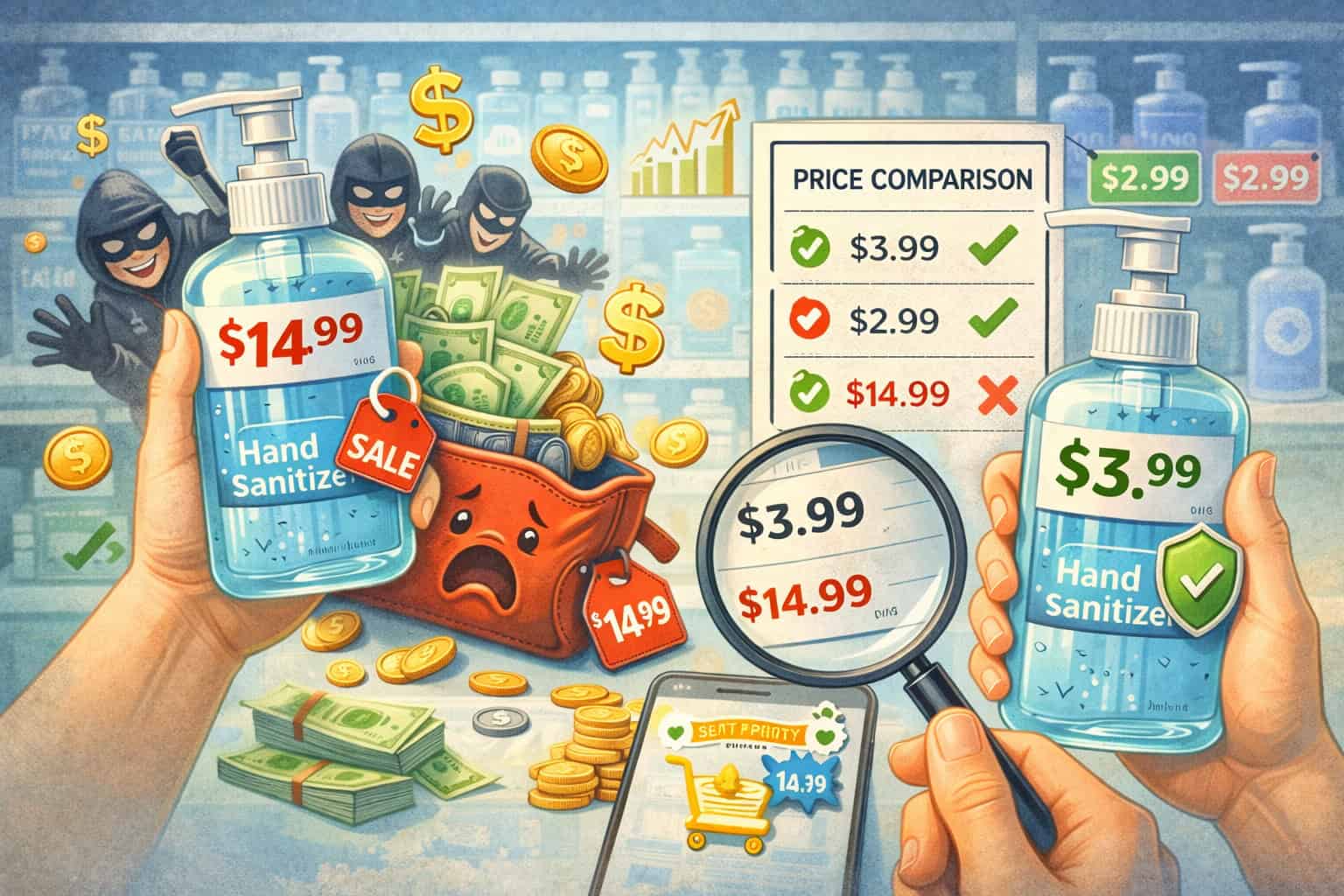
Buying hand sanitizer should be simple: pick a product that works, pay a fair price, and move on. Yet many shoppers still end up overpaying for hand sanitizer because the shelf is full of confusing claims, wildly different bottle sizes, “premium” positioning, and occasional supply shocks that make prices jump.
The good news is that you can avoid overpaying for hand sanitizer without compromising safety or convenience—if you know how to compare products the same way retailers and bulk buyers do.
This guide focuses on practical steps: how to judge value using unit price, how to spot marketing that inflates cost without improving performance, and how to time purchases and choose formats that match your real usage.
It also covers safety and quality signals that matter, including why you should check labels for alcohol percentage (a core effectiveness threshold) and how to stay aware of recalls that can make “cheap” sanitizer a bad deal.
CDC guidance is clear that soap and water is best when available, and that hand sanitizer should contain at least 60% alcohol when used.
Most importantly, “avoid overpaying for hand sanitizer” isn’t only about finding the lowest sticker price. It’s about paying the right price for an effective product, in the right size and format, with the fewest hidden costs—like waste, leakage, skin irritation, or buying the wrong item and replacing it later.
Understand What Actually Drives Hand Sanitizer Prices

Hand sanitizer prices rise and fall for reasons that have nothing to do with how “powerful” a product is. A large part of what you pay is packaging, branding, and distribution—not the active ingredient itself.
Bottles, pumps, caps, labels, and shipping weight can cost more than people realize, especially for small travel sizes. That’s why tiny bottles can look cheap but often have the highest cost per ounce.
Another major driver is channel markup. Convenience stores and event venues typically price hand sanitizer higher because they sell immediacy. Pharmacies, warehouse clubs, and large online retailers often compete harder on unit price.
E-commerce can be a bargain, but it can also hide costs through shipping, minimum order thresholds, or third-party sellers charging inflated prices.
Supply conditions also matter. Hand sanitizer relies heavily on alcohol inputs like ethanol or isopropyl alcohol, and when broader chemical markets tighten, sanitizer costs can follow.
Industry analyses continue to forecast steady demand and ongoing market growth, which usually encourages more competition and price stability over time—yet periodic spikes can still happen when demand surges.
To avoid overpaying for hand sanitizer, assume the shelf price reflects business decisions as much as product quality. Your job as the buyer is to compare value using objective measures and only pay extra when the added cost clearly matches your needs (like a leak-proof travel bottle or a foaming dispenser that reduces waste).
Use Unit Price Like a Pro (and Don’t Get Tricked by Bottle Size)
If you want to avoid overpaying for hand sanitizer, unit price is your best friend. Unit price means cost per ounce (or per milliliter). Stores often display it on the shelf tag, but not always—and online listings can make it hard to spot.
When unit price isn’t shown, calculate it quickly: price ÷ ounces. This single step reveals the most common pricing trick: small bottles “feel” affordable but cost far more per ounce than larger sizes.
Bottle size also interacts with how people actually use hand sanitizer. A pump bottle at home can reduce over-dispensing because you get a consistent amount.
A squeeze bottle can lead to big globs, which means you burn through product faster and end up repurchasing sooner. In other words, the cheapest unit price can still be expensive if the format causes waste.
Be careful comparing gels, foams, and sprays. Foams sometimes use less product per use because the pump meters the dose, but they can also be priced higher per ounce. Sprays may seem efficient, but overspray and evaporation can reduce usable product. The right comparison is: cost per effective use, not just cost per ounce.
A simple rule helps: if you’re buying for routine personal use, a mid-to-large bottle with a controlled dispenser often wins. If you’re buying a car, bag, or kids’ backpack, the “best value” may be a smaller bottle that actually gets used—because unused sanitizer is 100% waste.
Know the Minimum Effectiveness Standard Before You Shop
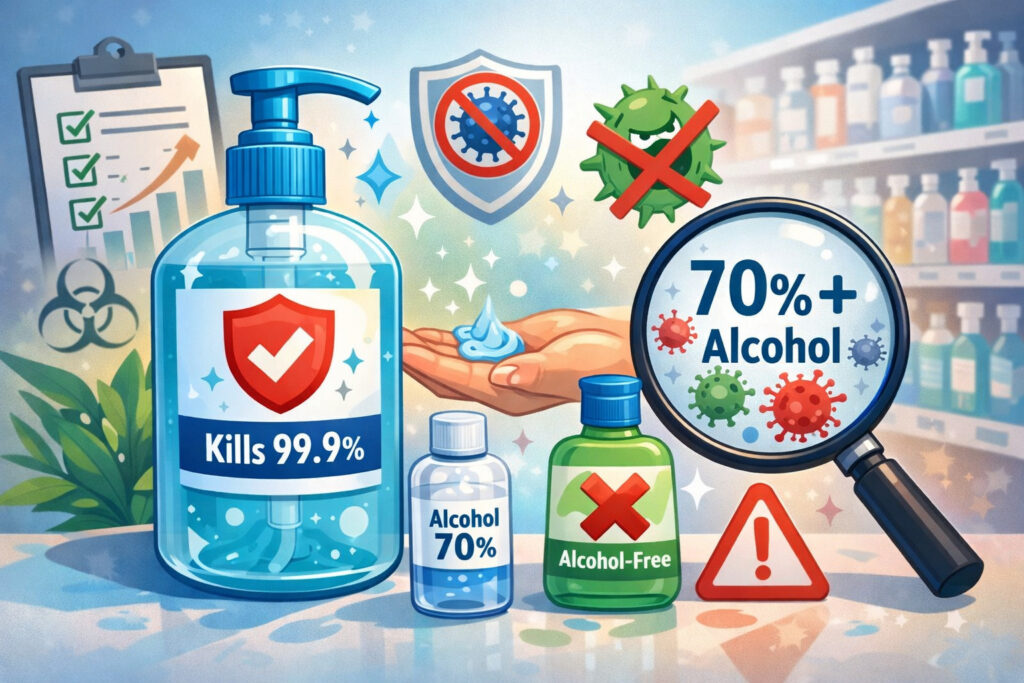
To avoid overpaying for hand sanitizer, you must first avoid paying for sanitizer that doesn’t do its job. Effectiveness is not about fancy scents or “extra strength” labels. CDC guidance states that when soap and water are not available, you should use a hand sanitizer with at least 60% alcohol.
That single number changes how you evaluate “deals.” A deeply discounted product that doesn’t meet this threshold isn’t a bargain—it’s a false economy. Always read the Drug Facts label or the active ingredient section. You’ll typically see ethyl alcohol (ethanol) or isopropyl alcohol listed with a percentage.
Also consider the context of use. In healthcare-oriented guidance, effectiveness depends on using the right volume and rubbing long enough to cover hands. That means a product that dries instantly or dispenses tiny amounts may reduce real-world performance if users don’t apply enough.
When you shop, don’t pay more for vague claims like “kills 99.99% of germs” unless the label and formulation meet the basics. The best way to avoid overpaying for hand sanitizer is to treat the 60%+ alcohol standard as your entry ticket—then compare value among products that already meet it.
Identify “Premium” Features That Don’t Improve Results
A major reason people overpay for hand sanitizer is premium positioning. Some upgrades are real, but many are just branding. Common “premium” hooks include luxury fragrances, influencer packaging, boutique labeling, or vague wellness language. None of that necessarily improves hand hygiene outcomes.
What can be worth paying for? Skin tolerability and usability. If a hand sanitizer dries your skin, you may use less of it or stop carrying it. Paying slightly more for a formula with moisturizing ingredients (like glycerin) can reduce irritation for frequent users. That’s not about luxury; it’s about adherence—using hand sanitizer consistently.
What is usually not worth paying extra for? Excessively high alcohol percentage beyond what you need for typical community use, decorative bottle designs, or “limited edition” scents that drive price up.
Also be skeptical of “natural” or “non-toxic” claims that are not specific. Alcohol-based hand sanitizer is inherently a chemical solution; safety comes from proper formulation and proper use, not vague buzzwords.
One more subtle premium trap is “travel convenience bundles.” Multi-packs can be helpful, but they’re often priced as a lifestyle product. Compare the bundle’s total ounces to a standard bottle’s ounces before you decide it’s a deal.
To avoid overpaying for hand sanitizer, pay for functionality (dispensing, portability, skin comfort), not for status signaling.
Watch for Recalls and Safety Flags So “Cheap” Doesn’t Become Expensive
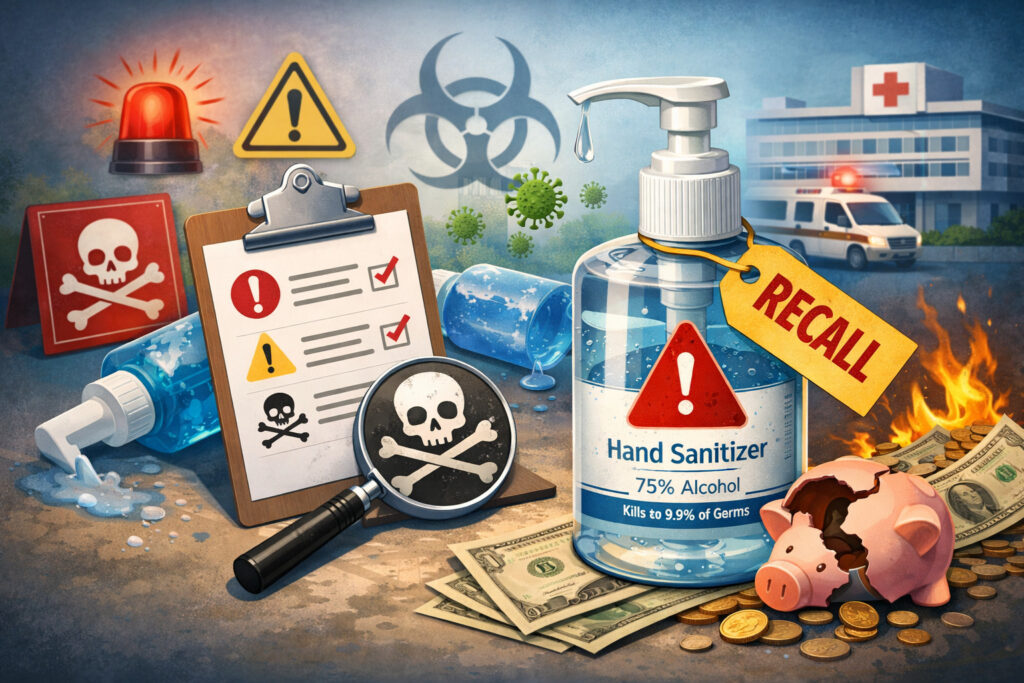
A low price can hide a bigger cost if the product is unsafe, ineffective, or later recalled. FDA has maintained recall and safety alert information for regulated products, including hand sanitizer recalls.
The FDA also previously maintained a dedicated list for hand sanitizers consumers should not use, noting that the page itself is no longer being updated and directing consumers to recall resources instead.
Why does this matter for saving money? Because a recalled hand sanitizer is money thrown away—and if it causes skin reactions or you have to replace it immediately, you’ve effectively paid twice.
Some recalls have involved contamination concerns (such as methanol contamination in certain products, or other contaminants in broader drug contexts), which is a strong reason to stick with reputable retailers and brands you can verify.
Practical steps that protect both health and wallet:
- Buy from retailers with clear return policies and traceable supply chains.
- Avoid suspiciously cheap third-party listings with missing manufacturer details.
- Check the label for the manufacturer, lot information, and active ingredients.
- If a deal seems too good to be true, search the FDA recalls database or recall announcements before stocking up.
To avoid overpaying for hand sanitizer, think of safety as part of value. A product that must be discarded is the most expensive product on the shelf.
Learn the “Gouging” Patterns and How to Respond
Hand sanitizer became a symbol of price spikes during demand shocks, and shoppers still encounter inflated pricing during localized disruptions. To avoid overpaying for hand sanitizer, recognize gouging patterns:
- Prices far above typical unit price without a packaging change
- Marketplace sellers charging multiples of normal retail
- “Urgency” language like “limited stock” paired with high shipping costs
- Bundle forcing (must buy add-ons to access sanitizer)
While many pricing rules are enforced at the state level, federal agencies have continued focusing on unfair or illegal pricing concerns more broadly, including initiatives that discuss enforcement actions aimed at lowering prices for consumers.
Legislative proposals have also been introduced in Congress related to restricting price gouging during market disruptions.
As a shopper, your best response is to shift your strategy:
- Use unit price thresholds (your own “fair price” range).
- Switch formats (buy a larger bottle or a refill).
- Switch channels (warehouse clubs, pharmacies, reputable online retailers).
- Delay non-urgent bulk purchases if you can safely do so.
The core point: when you understand gouging patterns, you stop buying on emotion. And when you stop panic-buying, you automatically avoid overpaying for hand sanitizer.
Choose the Best Format for Your Life (Gel vs Foam vs Spray vs Wipes)
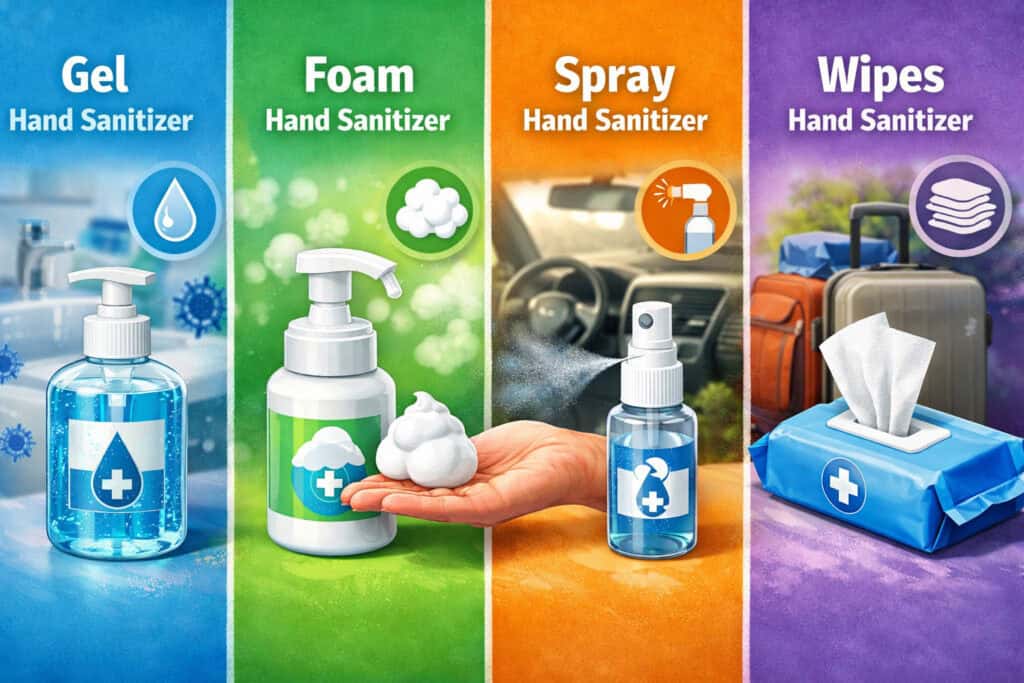
The format you choose can quietly increase your cost. To avoid overpaying for hand sanitizer, match the product form to how you’ll actually use it.
Gel hand sanitizer
Gel hand sanitizer is the most common. It’s widely available, easy to find in many sizes, and often has competitive unit pricing. The main downside is overdosing: squeeze bottles can dispense too much, increasing cost per use. A pump gel can reduce waste.
Foam hand sanitizer
Foam hand sanitizer can feel nicer and often dispenses a consistent amount. For families and offices, that consistency can lower waste and make the real cost per use competitive—even if the sticker price looks higher. The tradeoff is that refills or proprietary pumps may limit bargain shopping.
Spray hand sanitizer
Spray hand sanitizer is convenient for quick applications, but overspray and fast evaporation can reduce how much sanitizer actually stays on the hands. If you’re paying premium prices for aerosol convenience, the effective cost can be high.
Hand sanitizer wipes
Wipes can be great for travel and mixed cleaning needs, but they are often the most expensive per use. They also create more packaging waste. Use wipes when they solve a real problem (like cleaning sticky hands), not as your default.
The best value often comes from a two-product approach: a larger, well-priced bottle for home or work, plus a small portable bottle you actually carry. That combination helps you avoid overpaying for hand sanitizer by lowering your average cost while keeping convenience.
Time Your Purchases and Build a “No-Panic” Restock System
Most people overpay for hand sanitizer when they buy reactively: they run out, then grab whatever is available at the nearest location. A simple restock system fixes this.
Start by estimating usage. Count how many bottles you finish in a month at home, in the car, and at work. Then set a reorder point: for example, when you open your last backup bottle, it’s time to shop. This prevents emergency purchases at high-markup locations.
Next, take advantage of normal retail cycles. Many retailers rotate promotions, and personal care items often get periodic discounts, multi-buy deals, or subscription pricing online. Subscriptions can be useful if they allow easy cancellation and the unit price is truly lower after shipping.
Also consider seasonal patterns. Demand tends to rise during cold/flu season, during major travel periods, and during local outbreaks. You don’t need to predict the future perfectly—you just need to avoid shopping at the peak of panic.
Market forecasts suggesting steady long-term demand and growth generally imply that competition remains active, which can help prices stabilize, but spikes can still occur during shocks.
A calm restock habit is one of the simplest ways to avoid overpaying for hand sanitizer year after year.
Compare Retailers the Smart Way (Not Just “Cheapest Store”)
To avoid overpaying for hand sanitizer, compare retailers based on total cost and reliability, not reputation alone.
Warehouse clubs often have the best unit prices, especially on larger sizes or multi-packs. The catch is membership cost and bulk quantities that may exceed what you’ll use before the product degrades or gets misplaced.
Pharmacies and big-box stores usually offer decent pricing and good selection. Store brands can be strong value options if they meet the alcohol percentage guidance and have clear labeling.
Online retailers can be excellent for price comparison and convenience, but watch for third-party sellers, price fluctuations, and shipping fees that erase savings. Always confirm bottle size and total ounces, and avoid listings with unclear manufacturer info.
Convenience stores, airports, and venues are usually the most expensive. They sell access, not value. Buy there only when you truly need sanitizer immediately.
Finally, think about returns and customer support. If you receive a leaking bottle or the wrong item, a retailer with easy returns protects your wallet. Avoid overpaying for hand sanitizer by treating reliability as part of the deal.
Understand Labels, Claims, and Ingredients That Affect Value
A label can help you avoid overpaying for hand sanitizer—or trick you into paying more. Focus on what matters:
- Alcohol percentage: CDC recommends at least 60% alcohol when soap and water aren’t available.
- Active ingredient type: Ethyl alcohol (ethanol) or isopropyl alcohol are common.
- Drug Facts / compliance labeling: Clear, complete labeling is a trust signal.
- Moisturizers: Glycerin and similar ingredients can reduce dryness for frequent use.
Ignore or downweight vague claims like “hospital grade” unless they come with clear product information and credible sourcing. Also be cautious about “alcohol-free” sanitizer. These products exist, but if your goal is to follow mainstream public health guidance for general situations, alcohol concentration is central to typical recommendations.
Scent and texture matter mainly because they affect whether people use the product correctly and consistently. If a hand sanitizer smells unpleasant or leaves residue, you may use less than needed. But that doesn’t mean you should pay top-tier pricing; it means you should find a reasonably priced product you’ll actually use.
Value is the intersection of effectiveness, comfort, and cost. When you read labels with that mindset, you naturally avoid overpaying for hand sanitizer.
Buy in Bulk Without Wasting Money (Households, Offices, and Events)
Bulk buying is one of the fastest ways to avoid overpaying for hand sanitizer—if you do it correctly. Done wrong, bulk buying becomes clutter, expired product, and wasted cash.
First, right-size your bulk purchase. A household with light use doesn’t need a case of gallons. But an office, clinic, childcare setting, or event organizer may genuinely benefit from bulk refills and mounted dispensers. The key is aligning quantity with realistic consumption.
Second, consider dispensing systems. Refills often deliver strong unit price value, but only if you already have compatible dispensers. Proprietary cartridges can lock you into one brand and reduce your ability to shop for deals later. A more flexible system can protect you from future price increases.
Third, plan storage. Heat can damage packaging and increase leakage risk. Store bulk hand sanitizer in a cool, dry area, away from open flames, and where it won’t get knocked over.
Finally, keep a simple tracking note: purchase date, quantity, and where it’s stored. This reduces duplicate buying and helps you rotate stock. Bulk buying works best when it’s boring and organized—exactly the conditions that help you avoid overpaying for hand sanitizer over time.
Future Price Outlook: What to Expect and How to Stay Ahead
Looking forward, the biggest factor in whether you overpay will likely be volatility, not permanent shortage. Market forecasts in recent industry reports generally point to continued global demand and ongoing market activity over the coming years.
In plain terms, that often means lots of competing products and fewer sustained supply crises—good news for shoppers trying to avoid overpaying for hand sanitizer.
However, several trends could still affect prices:
- Input cost swings for alcohol and packaging materials.
- Regulatory and quality pressure after past contamination and recall issues, which can raise compliance costs for manufacturers.
- Retail channel shifts as more shoppers buy online, where pricing can fluctuate rapidly.
- Consumer preference shifts toward skin-friendly formulations and better dispensers, which can create a “premium middle” category.
Your best future-proof strategy is flexible purchasing: keep a small buffer stock, know your target unit price range, and choose dispenser systems that don’t trap you in one brand. If a new demand shock happens, you’ll already be stocked and can skip the peak pricing window—making it far easier to avoid overpaying for hand sanitizer.
FAQs
Q.1: How can I tell if I’m overpaying for hand sanitizer?
Answer: You’re likely overpaying for hand sanitizer when the unit price is far higher than comparable products in the same store or channel, especially for small bottles. Start by checking the shelf’s unit price (cost per ounce). If it isn’t listed, calculate it using the price divided by ounces. Then compare across sizes and formats.
Also consider the “cost per use.” If a bottle dispenses too much product per squeeze, you’ll repurchase sooner. A slightly higher-priced pump bottle can be cheaper in the long run if it reduces waste.
Finally, factors in total cost online: shipping, minimum order requirements, and third-party seller markups can turn an apparent deal into an overpayment.
If you want a simple threshold, build your own baseline: note the unit price you pay when you believe you got a fair deal. When you see prices far above that baseline without a clear reason (like specialty dispensers), skip the purchase and shop another channel.
Q.2: What alcohol percentage should I look for so I don’t waste money on ineffective sanitizer?
Answer: To avoid overpaying for hand sanitizer, make sure it meets the basic effectiveness guidance. CDC recommends using a hand sanitizer with at least 60% alcohol when soap and water aren’t available.
This matters because any product that doesn’t meet that threshold can be a poor value even if it’s cheap. Always check the label for the active ingredient and percentage. If the listing online doesn’t show it clearly, that’s a reason to avoid the purchase.
Also remember technique: using enough sanitizer and rubbing hands until dry influences performance. So don’t buy “ultra fast-drying” products that encourage tiny doses. The best value is a product that meets the alcohol standard and is easy to use correctly.
Q.3: Are “premium” hand sanitizer brands worth the extra cost?
Answer: Sometimes—but only for specific, practical reasons. Premium hand sanitizer can be worth it if it solves a real problem, like severe skin dryness or frequent daily use where a better formula improves comfort and consistency.
Paying a bit more for a well-formulated product with moisturizers can help people use hand sanitizer regularly.
But many premium features don’t improve outcomes: luxury scents, trendy packaging, lifestyle branding, or vague “clean” claims. Those often increase price without improving effectiveness. The smarter approach is to pick an effective, comfortable hand sanitizer with clear labeling and then shop by unit price.
If you’re buying for a workplace or family, consider whether the premium price reduces waste (better dispenser) or improves compliance (people actually use it). If not, it’s probably overpaying.
Q.4: How do I avoid buying recalled or unsafe hand sanitizer?
Answer: Start by buying from reputable retailers with clear product listings, return policies, and traceable inventory. FDA posts recalls and safety alerts for regulated products, and hand sanitizer recalls have occurred in the past.
Before stocking up—especially from marketplace sellers—do a quick check of FDA recall resources if the brand seems unfamiliar or the deal looks unusually cheap. FDA has also indicated that its older “do not use” hand sanitizer update page is no longer being updated, pointing consumers to recall resources instead.
A safe product is part of value. If you have to throw it away, you didn’t save money—you overpaid.
Q.5: What’s the best way to save money on hand sanitizer long-term?
Answer: The most reliable way to avoid overpaying for hand sanitizer long-term is to stop buying reactively. Track your usage, set a reorder point, and keep a small buffer stock so you don’t buy at high-markup locations.
Use unit price comparisons, choose formats that reduce waste (like pumps for home/work), and avoid unnecessary premium features. If you buy online, always include shipping in your calculation and be cautious with third-party sellers. For offices or high-use households, bulk refills can lower cost substantially—if you store them safely and actually use them.
Long-term savings come from consistent, boring habits—not from chasing random “deals.”
Conclusion
To avoid overpaying for hand sanitizer, you don’t need secret coupons or extreme bargain hunting. You need a repeatable method: confirm effectiveness (at least 60% alcohol per CDC guidance), compare unit price across sizes and formats, and buy from reliable channels that reduce the risk of waste or recalls.
Overpaying often happens when shopping becomes emotional—running out, panic-buying, or assuming “premium” means “better.” The smarter approach is calm and measurable.
Choose a dispenser that matches your habits, keep a small backup stock, and shop when you have time to compare. Add safety awareness into your definition of value, because a recalled or poor-quality hand sanitizer is never a bargain.
As the market continues to mature and competition stays active, shoppers should have plenty of options—yet price spikes can still happen during disruptions.
Your best defense is preparation: know your baseline unit price, keep flexible buying options, and restock before urgency forces you into the most expensive aisle. That’s how you avoid overpaying for hand sanitizer—today and in the years ahead.