By myhandsanitizershop January 7, 2026
Carrying personal hand sanitizer has become one of those small habits that can quietly improve your day—especially when you’re commuting, running errands, traveling, eating on the go, caring for kids, or working around shared surfaces.
A bottle of personal hand sanitizer gives you an “anytime” option for cleaning hands when a sink isn’t nearby, which matters because hands are a major pathway for germs to move from public surfaces to your eyes, nose, and mouth.
Health agencies still emphasize that washing with soap and water is the best option in many situations, but personal hand sanitizer is a practical backup when soap and water aren’t available. The key is using it correctly and choosing a formula that actually works.
The CDC recommends using a sanitizer that contains at least 60% alcohol when you can’t wash with soap and water. The FDA similarly notes that alcohol-based sanitizers can be helpful when soap and water aren’t available, as long as the product is used properly and meets alcohol-content guidance.
This guide breaks down the real-world benefits of carrying personal hand sanitizer, how to pick a safe and effective product, where it helps most, and what it can’t do—plus practical FAQs and smart future-focused tips so you can keep using personal hand sanitizer confidently.
Why Personal Hand Sanitizer Still Matters in Everyday Life

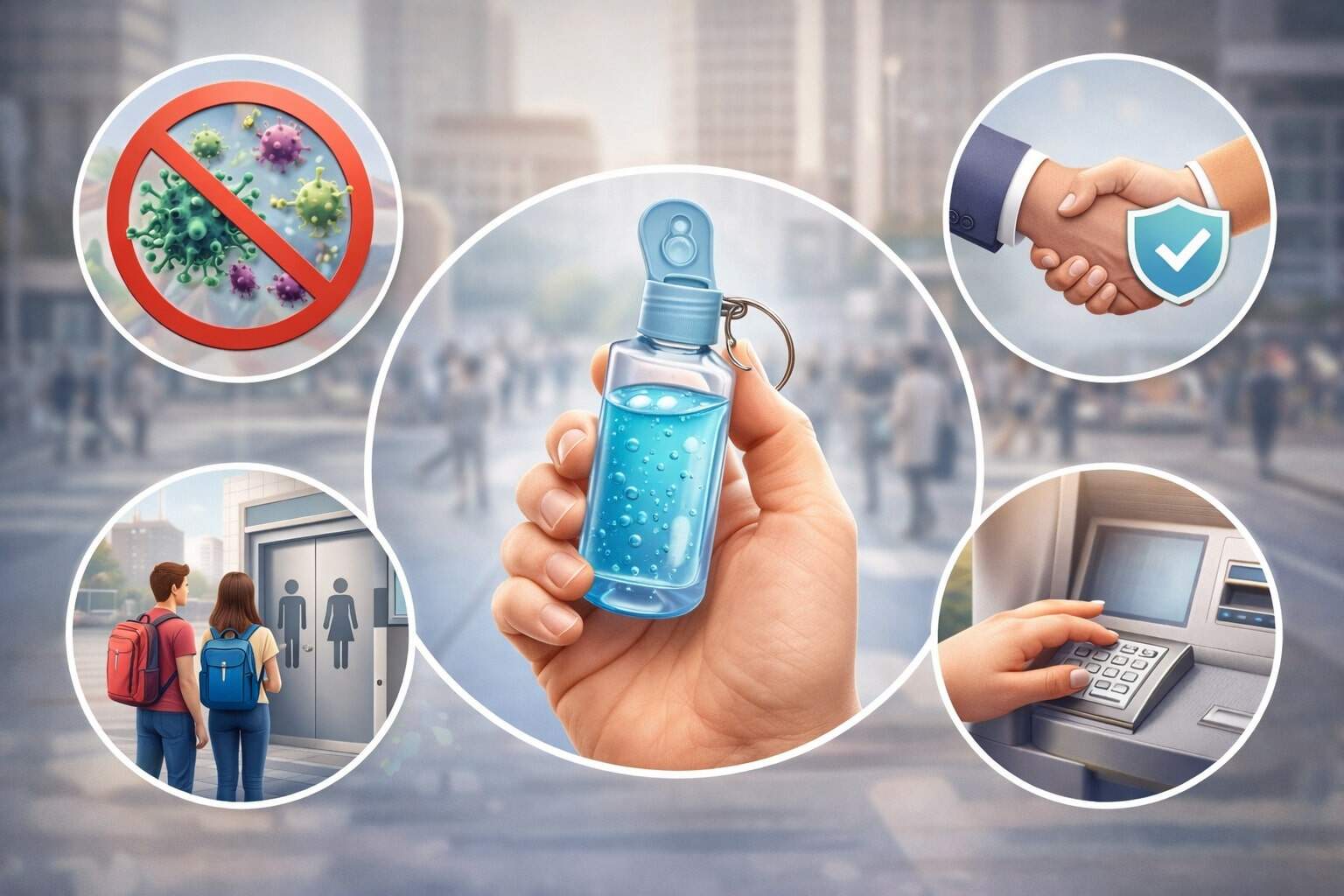
Carrying personal hand sanitizer matters because modern life involves constant contact with shared “touch points.” Think door handles, elevator buttons, shopping carts, checkout screens, gas pumps, shared pens, railings, gym equipment, office kitchen surfaces, and rideshare seatbelts. Even if you don’t see dirt, those surfaces can collect germs throughout the day.
The biggest advantage of personal hand sanitizer is immediacy. You can clean your hands right after contact—before you snack in the car, adjust your contact lenses, hand your phone to a friend, or feed a child.
That timing is important because people touch their face frequently without noticing, and that’s a common way germs move from hands into the body.
The CDC’s consumer guidance emphasizes that when soap and water are not available, using hand sanitizer with at least 60% alcohol can help reduce germs and lower the chance of getting sick and spreading germs to others.
In other words, personal hand sanitizer isn’t just about personal comfort—used at the right moments, it supports everyday prevention habits that add up over time.
Another reason personal hand sanitizer still matters is consistency. Many people intend to wash hands often, but real life doesn’t always cooperate. Sinks aren’t always closed, public restrooms aren’t always clean, and schedules are busy.
A pocket or bag-sized personal hand sanitizer keeps you from skipping hand hygiene entirely when the “perfect option” isn’t available.
The Top Benefits of Carrying Personal Hand Sanitizer
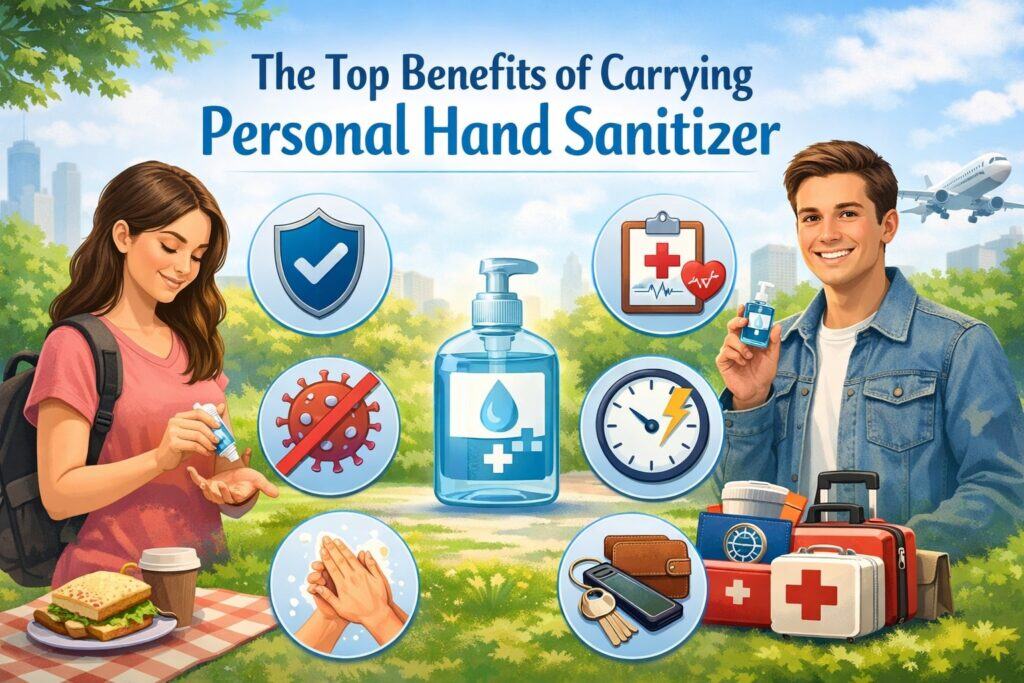
Carrying personal hand sanitizer delivers benefits that go beyond “clean hands.” It’s about convenience, health protection, and reducing the friction that keeps people from following good hygiene habits.
1) Fast access to hand hygiene anywhere: Soap-and-water handwashing is excellent, but it requires a sink, time, and supplies.
Personal hand sanitizer works in places where sinks aren’t nearby—parks, sidewalks, events, public transit, sports venues, road trips, and lines at busy stores. That speed helps people actually do the hygiene step instead of thinking, “I’ll do it later.”
2) Helps reduce germ spread in shared environments: When you use personal hand sanitizer after touching shared surfaces and before touching your face or food, you reduce the chance of transferring germs.
The CDC notes that using sanitizer with sufficient alcohol content can help you avoid getting sick and spreading germs to others when soap and water aren’t available.
3) Supports safer eating and snacking on the go: Food trucks, school events, airport snacks, and drive-through meals are all moments where hands meet food. Personal hand sanitizer helps you clean up before you eat when a sink isn’t realistic.
4) More control and peace of mind: Public dispensers can be empty, broken, or sticky. Carrying personal hand sanitizer gives you control over the product quality, scent, skin feel, and reliability.
5) Useful for families, caregivers, and busy households: Parents and caregivers constantly deal with high-touch items: strollers, toys, shared tablets, diaper bags, and playground surfaces. A dependable personal hand sanitizer reduces the stress of “Where can we wash right now?” in the middle of a busy day.
6) Helps maintain routines during travel and commuting: Airports, ride shares, public restrooms, and hotel common areas often involve high surface contact. A travel-size personal hand sanitizer is one of the easiest ways to keep hygiene habits consistent outside your normal environment.
When Personal Hand Sanitizer Works Best (And When Soap and Water Is Better)
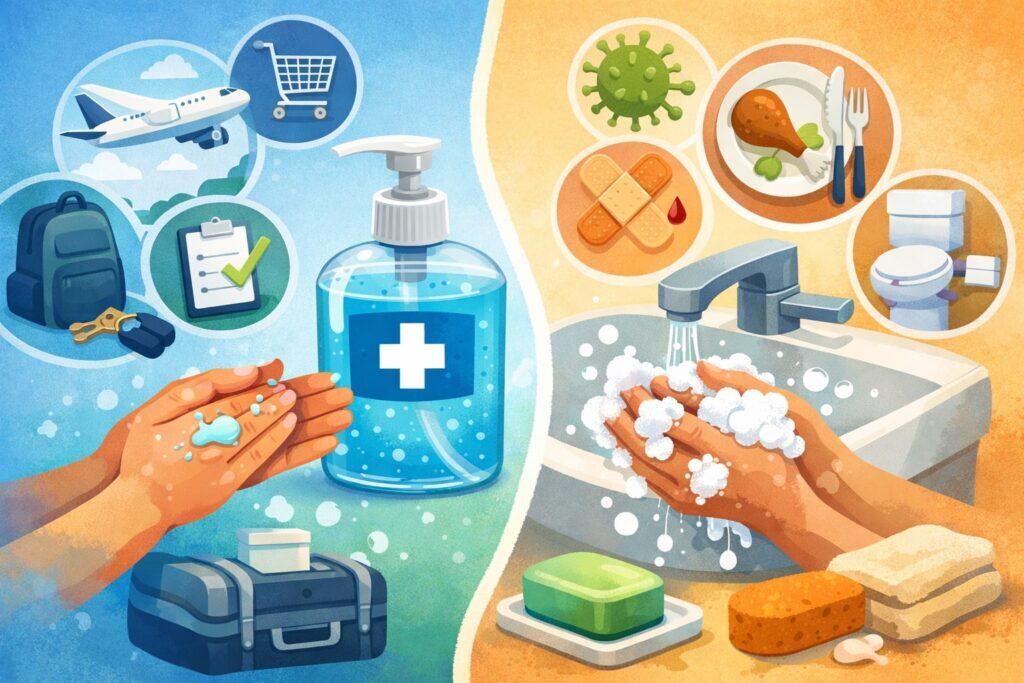
Personal hand sanitizer is most helpful when hands aren’t visibly dirty and you need quick cleaning. But it’s not a perfect replacement for handwashing, and knowing the difference helps you get the real benefits.
The CDC states that washing hands with soap and water is the best way to get rid of germs in most situations. When soap and water are not available, you should use a hand sanitizer with at least 60% alcohol.
That “when soap and water are unavailable” detail matters. Personal hand sanitizer is an excellent backup option, not a reason to avoid handwashing completely.
Soap and water is especially important when:
- Your hands are visibly dirty or greasy
- You’ve been handling chemicals or potential contaminants
- You’re in situations where you want physical removal of germs and substances
CDC materials also highlight that alcohol-based hand sanitizers don’t kill all types of germs and may not remove harmful chemicals like pesticides or heavy metals. That means personal hand sanitizer is not the best tool after gardening with pesticides, changing car fluids, or handling substances you want physically washed off.
A practical approach is: use personal hand sanitizer for quick cleaning in everyday public settings, and use soap and water when you can, especially after restroom use, before eating when hands are visibly soiled, or after messy tasks.
This “best tool for the moment” mindset keeps you protected without turning hygiene into something complicated or stressful.
How to Choose the Best Personal Hand Sanitizer for Daily Carry
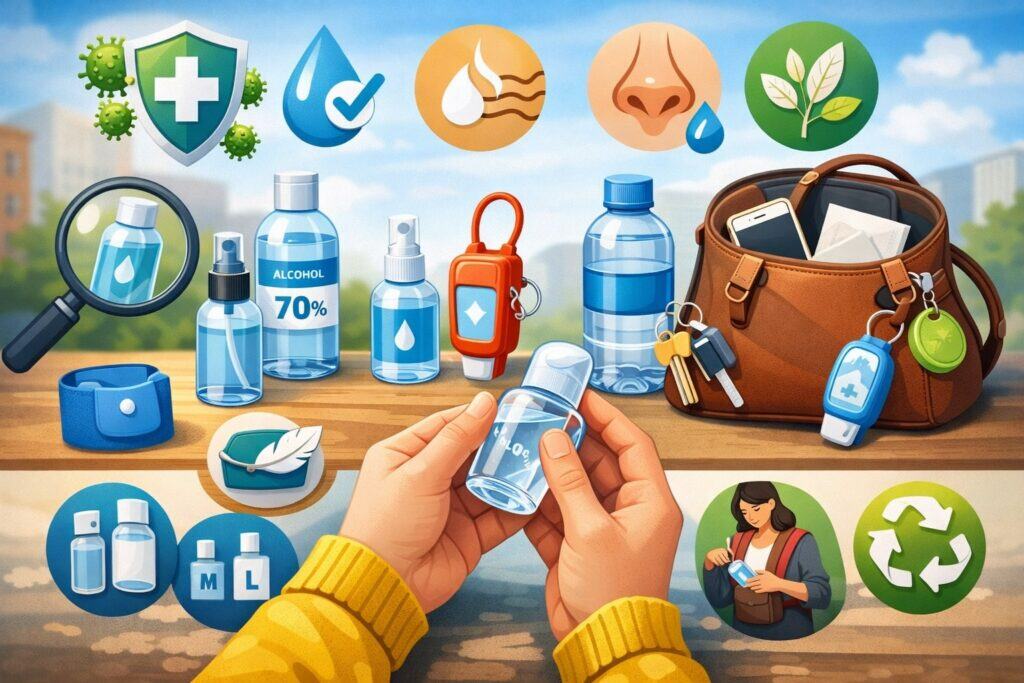
Not all personal hand sanitizer products are equal. Picking a good one is the difference between “I have something in my bag” and “I’m actually reducing risk.”
- Prioritize alcohol percentage: The CDC recommends choosing hand sanitizer with at least 60% alcohol.
The FDA’s consumer guidance also emphasizes using alcohol-based sanitizer properly, aligning with the same basic effectiveness principle. When you shop, read the Drug Facts label (or product label) and look for the alcohol percentage. - Choose a format you’ll actually use: Gel, foam, and liquid sprays can all work if they meet alcohol content guidance. For daily carry, many people prefer gel because it’s less likely to leak. Sprays can be convenient for quick application but may evaporate faster if you don’t use enough.
- Look for skin-supporting ingredients (without relying on them): Some personal hand sanitizer formulas include moisturizers like glycerin or aloe.
These can help with comfort, but they don’t replace good skin care. If your hands get dry, pair sanitizer use with a fragrance-free hand cream, especially during cold weather or if you sanitize frequently. - Avoid “miracle” marketing: Be cautious with claims like “kills 99.9999% of everything instantly” or “chemical-free sanitizer” that doesn’t clearly state alcohol content. The simplest, most reliable rule is still: choose personal hand sanitizer with a clear alcohol percentage at or above guidance and use it correctly.
How to Use Personal Hand Sanitizer Correctly for Maximum Benefit
Even the best personal hand sanitizer can underperform if you use too little or wipe it off too soon. Technique matters more than most people think.
The goal is to cover all hand surfaces long enough for the alcohol to work. A common best practice is to apply enough sanitizer to fully wet your hands, then rub thoroughly—palms, backs of hands, between fingers, fingertips, and thumbs—until dry.
WHO-style hand-rub technique guidance commonly indicates a total rubbing time around 20–30 seconds for alcohol-based hand rub.
Here’s a simple everyday technique for personal hand sanitizer:
- Apply a generous amount (enough to coat both hands).
- Rub palm to palm, then rub the back of each hand.
- Interlace fingers and rub between them.
- Rub thumbs and fingertips (fingertips are high-contact).
- Keep rubbing until hands are fully dry—don’t wipe on your pants or a towel.
Also, don’t “top off” sanitizer onto visibly dirty hands and assume you’re done. If your hands have grime, grease, or sticky residue, sanitizer may not work as well—wash with soap and water when possible.
Using personal hand sanitizer correctly turns a quick habit into a meaningful protective step—especially before eating, after touching shared surfaces, and after coughing or sneezing into your hands.
Personal Hand Sanitizer for Work, School, Errands, and Travel
The benefits of personal hand sanitizer show up most clearly in high-contact routines. If you want sanitizer to genuinely improve daily hygiene, match it to the moments you’re most likely to pick up germs.
Personal hand sanitizer at work
In offices and service environments, shared devices and surfaces are everywhere: printers, coffee machines, break room handles, meeting room remotes, shared tools, and client-facing counters.
Keeping personal hand sanitizer at your desk, in your work bag, or in your car makes it easier to clean hands after meetings, after handling deliveries, and before eating lunch.
Personal hand sanitizer at school and activities
Schools and extracurricular programs involve shared supplies, sports gear, musical instruments, cafeteria lines, and close-contact socializing.
Carrying personal hand sanitizer is especially helpful for students, staff, and parents during pickup/drop-off, after playground time, and before snacks. It’s also useful when field trips and events make sinks inconvenient.
Personal hand sanitizer during errands
Grocery carts, checkout keypads, gas pumps, and store doors are classic reasons people keep personal hand sanitizer in the car or pocket. A quick hand rub before getting back into the driver’s seat and before touching food can reduce “surface-to-mouth” transfer during busy days.
Personal hand sanitizer for travel
Travel compresses many shared-touch experiences into a short period: security bins, seatbelts, tray tables, elevator buttons, and rental car counters. A small personal hand sanitizer bottle helps you keep a consistent routine without hunting for restrooms.
The CDC’s general guidance supports sanitizer use when soap and water are unavailable, making travel one of the most practical use cases.
Safety Tips: What to Watch Out for With Personal Hand Sanitizer
Using personal hand sanitizer is generally safe when used as directed, but there are important safety points many people miss—especially if you carry sanitizer daily.
- Choose reputable products and avoid contaminated or recalled items: The FDA has published updates about certain hand sanitizers consumers should not use and advises checking recall resources, noting that the specific “do not use” list page is no longer updated and consumers should use the drug recalls database for current recall information. This matters because product quality can vary, and there have been serious contamination concerns in the past.
- Keep personal hand sanitizer away from children’s unsupervised access: Hand sanitizer can be dangerous if swallowed. This is especially important because some products may smell like food or candy. If you have kids in the home or car, store personal hand sanitizer out of reach and supervise use.
- Avoid eyes, mouth, and open wounds: Alcohol stings on broken skin. WHO notes alcohol handrubs can sting if someone has cuts or broken skin and suggests covering those areas appropriately. If your hands are cracked, focus on repairing your skin barrier with moisturizer and consider washing with gentle soap when possible.
- Fire safety matters: Alcohol is flammable. Let hands dry fully before cooking, lighting a candle, smoking, or using heat sources.
- Skin care prevents overuse problems: Frequent sanitizer use can dry skin for some people. A simple fix is to keep an unscented hand cream nearby and apply it after handwashing or once your sanitizer has fully dried. Healthy skin helps you tolerate hygiene routines without irritation.
Skin Health and Comfort: Reducing Dryness While Using Personal Hand Sanitizer
If you carry personal hand sanitizer every day, comfort becomes a real factor. When hands feel dry, people tend to sanitize less—or they switch to weaker products. The good news is you can support skin health while still using personal hand sanitizer effectively.
First, pick a formula you like using. Many people do better with sanitizer that includes humectants (like glycerin) or light emollients. But don’t assume “aloe” automatically means “gentle.” Fragrance can be a bigger trigger for irritation than alcohol itself, especially for people with sensitive skin.
Second, build a simple routine:
- Use personal hand sanitizer when you can’t wash.
- Wash with gentle soap when you can.
- Moisturize after washing (and after sanitizer dries, if needed).
WHO notes that allergic contact dermatitis due to alcohol-based handrubs is very rare, and many studies describe less skin irritation and dryness among routine users of alcohol rubs compared with soap and water in certain settings.
That doesn’t mean dryness never happens, but it does mean you have options. If your hands are getting rough, it may help to reduce fragrance exposure, use a thicker hand cream at night, and avoid hot water for washing.
The “best” personal hand sanitizer is the one that meets alcohol-content guidance and that you can use consistently without your skin feeling miserable.
Future Outlook: What’s Next for Personal Hand Sanitizer
The future of personal hand sanitizer is likely to be shaped by convenience, skin tolerance, and quality control rather than dramatic new chemistry. Here are realistic trends to expect.
- Better skin-friendly formulations without sacrificing alcohol content: As more people carry personal hand sanitizer daily, brands will keep improving texture, scent options, and moisturizing systems while still staying above effective alcohol thresholds. The goal will be: “feels good enough to use often.”
- More portable, leak-resistant packaging: Expect smarter bottle designs, refillable keychain containers, and better pump locks. This isn’t glamorous, but it removes the biggest annoyance of carrying personal hand sanitizer: leaks in bags and cars.
- Increased attention to product quality and enforcement: Because contamination and labeling issues have been part of the sanitizer market in recent years, consumers and regulators will likely continue pushing for clear labeling and safer supply chains.
The FDA continues to direct consumers to recall databases and safety updates for sanitizer-related issues. - More “situational hygiene” habits: Long-term, people are more likely to use personal hand sanitizer at specific moments—before eating, after public transit, after shared touch screens—rather than nonstop. That targeted pattern is sustainable and more likely to stick.
FAQs
Q1) What alcohol percentage should personal hand sanitizer have?
Answer: The CDC recommends using a hand sanitizer with at least 60% alcohol when soap and water aren’t available. If the label doesn’t clearly state the alcohol percentage, it’s safer to choose a different personal hand sanitizer.
Q2) Is personal hand sanitizer as good as washing hands?
Answer: Washing with soap and water is considered the best way to remove germs in most situations. Personal hand sanitizer is a strong backup when soap and water aren’t available, but it doesn’t work equally well in every scenario.
Q3) When should I skip personal hand sanitizer and wash instead?
Answer: If your hands are visibly dirty or greasy, or if you may have chemicals on your skin, washing with soap and water is better. CDC materials also note sanitizer may not remove harmful chemicals like pesticides and heavy metals and doesn’t kill every type of germ.
Q4) How long should I rub personal hand sanitizer on my hands?
Answer: Rub until your hands are fully dry. A thorough rub commonly takes around 20–30 seconds when done properly. Using too little or wiping it off early reduces the benefit of personal hand sanitizer.
Q5) Can personal hand sanitizer irritate skin?
Answer: It can, especially with heavy use or if you have sensitive skin. WHO notes allergic reactions are very rare, but alcohol rubs can sting on broken skin, and comfort varies by person. A fragrance-free moisturizer can help a lot.
Q6) Are there safety concerns with personal hand sanitizer?
Answer: Yes—mainly ingestion risk (especially for children), flammability, and avoiding contaminated products. The FDA provides safety guidance and directs consumers to recall information resources.
Conclusion
Carrying personal hand sanitizer is a simple, high-impact habit that fits modern routines—commutes, errands, school days, travel, work, and everything in between.
The biggest benefit of personal hand sanitizer is that it makes hand hygiene possible when a sink isn’t available, which helps reduce the everyday transfer of germs from shared surfaces to your face and food.
Health guidance remains consistent: soap and water are best in most situations, but when you can’t wash, personal hand sanitizer with at least 60% alcohol is a recommended alternative.
To get the full benefits, focus on three things: choose a quality personal hand sanitizer with clear alcohol content, use enough and rub long enough to cover all surfaces, and keep a simple skin-care routine so you can stay consistent without irritation.
Add basic safety steps—keep it away from unsupervised kids, let hands dry fully, and pay attention to recalls—and personal hand sanitizer becomes one of the easiest ways to protect yourself and the people around you in everyday life.